
Natural Painkillers
In a world where we often reach for a bottle of pills for every ache and strain, nature quietly reminds us that she’s been the original healer all along! From tree bark to meadow herbs, pain relief has always been within reach! Whether you’re managing chronic discomfort or recovering from a long day. These plant allies may offer just the balm you need- both literally and figuratively!
DISCLAIMER: This post contains affiliate links, which means that if you click on one of the product links, and purchase, I’ll receive a small commission. This helps support my blog, thank you for the support!

- Aloe Vera
Soothing and cooling, Aloe Vera is often used topically for burns and inflammation. It may also help relieve joint pain when used as a gel.
Heartburn relief- Consuming 1-3 Oz with every meal can reduce the severity of acid reflux and heartburn! It also helps the cramping, abdominal pain, flatulence, and bloating caused by Irritable Bowel Syndrome (IBS).
Warning: Long term internal use is not recommended due to latex found in Aloe Vera. Avoid using it internally during pregnancy, if you have hemorrhoids, or kidney issues.
Looking for organic Aloe Vera gel? [Try this soothing blend here!]
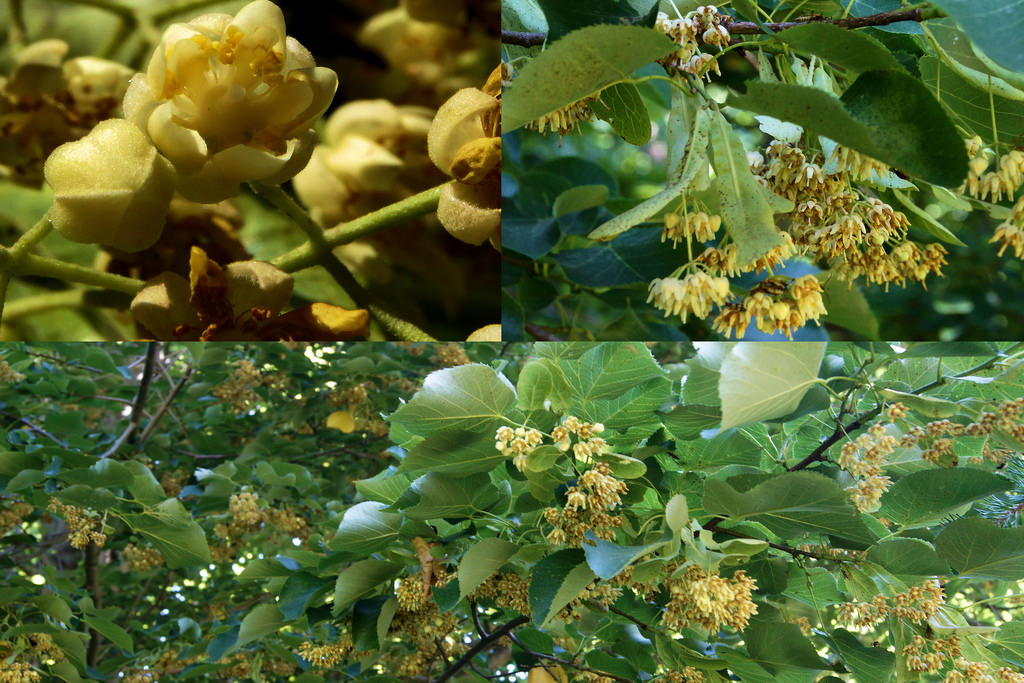
2. American Basswood (Tilia americana)
The flowers and inner bark of this gentle giant have calming sedative and antispasmodic properties, often used to ease tension headaches and muscle cramps. The leaves, seeds, and sap are also edible! (The leaf buds are especially delicious!)
A poultice or tea made from the inner bark works well for burns, sunburns, boils, and other skin irritations.
A tincture made from the leaves is known to effectively treat seizures, and other nervous system issues, ranging from nerve pain, to anxiety, to insomnia.

3. Balsam Fir (Abies balsamea)
This aromatic evergreen offers a resin that’s been used traditionally for sore joints, cuts, wounds, and muscle pain. It has antibiotic, analgesic, and anti-cancer properties. (If using as an essential oil, always dilute essential oils in a carrier oil!)
The leaves, and twigs can be used to make medicinal teas, tinctures, extracts, essential oils, and the pitch is used as is or to make a medicinal tea! A Balsam Fir tea or tincture is excellent in relieving sore throat pain, coughs, and bronchial spasms.
Bonus: They make beautiful Christmas trees!
/filters:strip_exif()/assets/plants/plant_31563/plant_31563_shoot_20211027184259.jpg)
4. Black Crowberry (Empetrum nigrum)
Less commonly known, crowberries contain high levels of antioxidants, antihistamines, and anti-inflammatory compounds that support overall pain relief.
The berries are the only edible part, but the branches/ twigs/ stems, and roots can also be used for medicine!
The branches are both antibacterial and antifungal!
Crowberry Leaf Infusion: 1 oz finely chopped leaves and stems of crowberry plant + 1 cup boiling water. Let steep until room temp. Before straining out the herbs.
Cattails (Typha spp.)
While not a direct pain reliever, parts of the cattail can be used to soothe skin irritation and mild inflammation when made into salves or poultices.
The jelly-like sap that seeps from the lower stems has antiseptic and analgesic properties, making it a great choice for treating wounds, topical pain killer, insect bites, and toothaches!
Warning: It’s recommended to avoid using Cattails if you have a clotting disorder, or poor circulation due to its coagulant properties. Avoid using cattails during pregnancy.
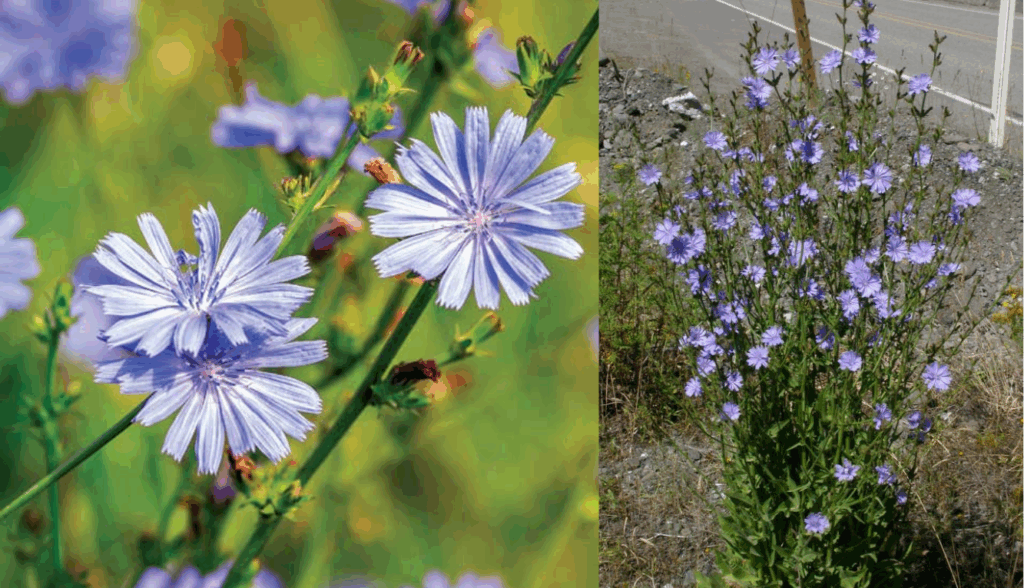
6. Chicory (Cichorium intybus)
This humble weed is rich in anti-inflammatory compounds. It’s traditionally used to support joint health and digestive discomfort that may cause bloating pain. Chicory can be used as a tincture, tea, decoction, salve, syrup, or infused oil.
Chicory roots and seeds can help eliminate intestinal worms and parasites, as it contains antibacterial, antifungal, and hepatoprotective properties.
The inside of the roots is a milky juice much like that of Wild Lettuce, containing lactucin and lactucopicrin, which are sedative and analgesic (pain-killing).
Warning: For some, chicory can cause skin irritation/rashes if taken internally. Avoid chicory during pregnancy; as it can stimulate menstruation. Chicory can interfere with beta-blocker drugs for the heart.
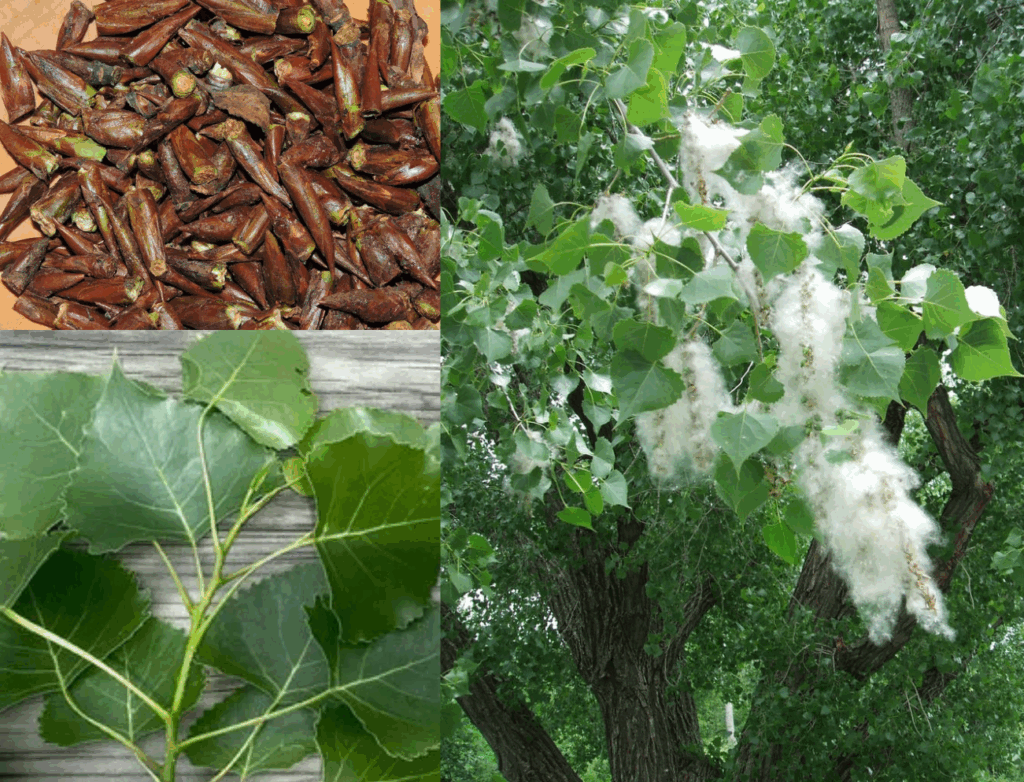
7. Cottonwood (Populus spp.)
The buds and bark are rich in salicylates, the same compounds found in aspirin. Cottonwood bud oil is often used for arthritic pain, muscle soreness, and menstrual cramps.
Cottonwood is anti-bacterial, anti-microbial, anti-fungal, and an antioxidant, making it useful in treating topical skin injuries like rashes, irritations, chapped lips, cracked skin, sunburns/burns.
Warning: Cottonwood should not be used by people allergic to aspirin or bees.
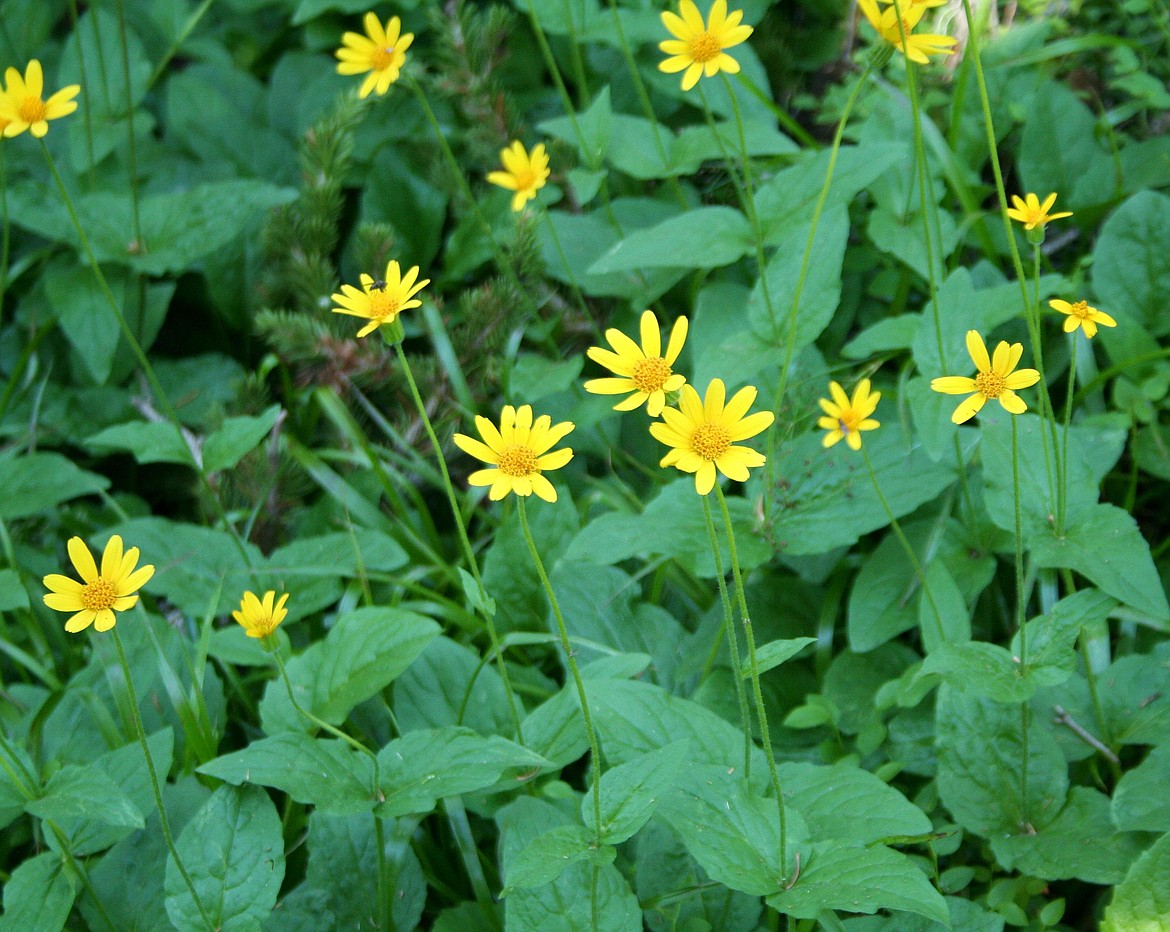
8. Heartleaf Arnica (Arnica cordifolia)
A classic remedy for bruises, strains, and inflammation. Best used topically, as internal use can be toxic.
Arnica is excellent at relieving arthritis pain, especially during cold weather. It warms the area and stimulates blood flow, which also makes it helpful for treating frostbite and chilblains.
For a sore throat or toothache, try chewing on Arnica root! It can also be mashed and applied to swollen areas, or gargled.
Warning: Arnica can be highly toxic if taken internally. Avoid using undiluted Arnica preparations topically on open wounds, as it can cause inflammation and irritation. (Always dilute with a carrier oil)
9. Wild Lettuce (Lactuca virosa)
Known as “opium lettuce,” it’s sometimes used for its sedative-like effects to manage pain, restlessness, and anxiety.
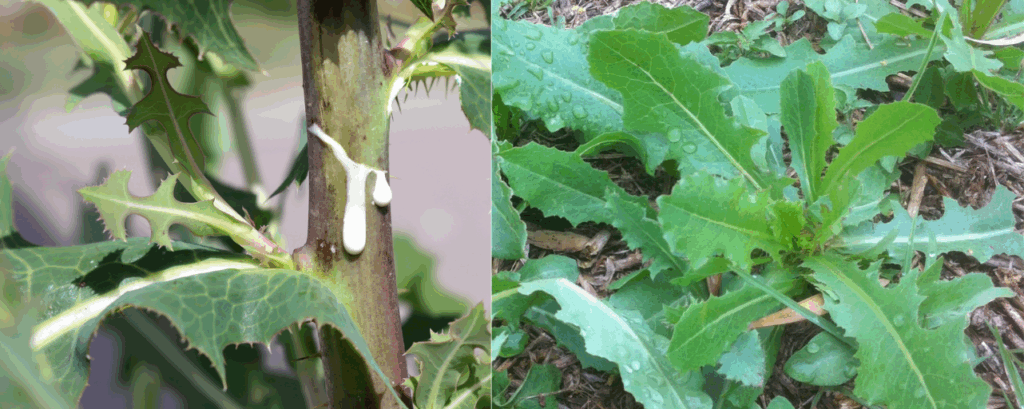
The white latex sap that runs through the plant contains sesquiterpene lactones, similar to Chicory. It’s best to use the sap after it dries or use a tincture form.
The milky sap can also calm restlessness and anxiety and induce sleep without being addictive.
Warning: Use with caution as it has a sedative effect. Do not overdose.
:max_bytes(150000):strip_icc()/grow-wintergreen-plants-for-a-splash-of-winter-color-4685614-01-17699d7b79ef40699885a8ac756a7a41.JPG)
10. Wintergreen (Gaultheria procumbens)
Wintergreen oil is a powerful topical pain reliever, especially for muscular aches and joint inflammation. Use with care—it’s potent!
Wintergreen berries can be eaten raw or cooked and the leaves make a great gargle for sore throats- do not swallow.
Distilled wintergreen oil contains high concentrations of methyl salicylate, a chemical compound used to make aspirin. It can be used to make creams and ointments for pain relief and sore muscles and joints.
Thirty milliliters of wintergreen oil, approximately 1oz. contains the equivalent of 171 adult aspirin tablets, which is a very toxic amount. Wintergreen oil should never be taken internally, as even a small dose can be toxic.
Warning: Wintergreen essential oil is a concentrated form of methyl salicylate and should not be used internally. Undiluted oil can also trigger contact dermatitis for some people. (Always dilute your herbal oils with a carrier oil, or use in creams, salves, or ointments!)
Learn to make your own wintergreen oil here > or try one of my favorite go-to wintergreen salves for sore muscles here! – small but mighty!
Bonus: Additional Herbal Pain Relievers
Here are a few more wonderful allies you might want to stock your shelf with:
- Willow Bark – Natural aspirin-like effect
- Turmeric – Anti-inflammatory, great for joint pain
- Devil’s Claw – Popular for arthritis and back pain
- Ginger – Relieves muscle pain and menstrual cramps
- Meadowsweet – A gentle alternative to aspirin
- Skullcap – Calms nerve-related pain
- St. John’s Wort – Great for nerve pain when used as an infused oil
- Cayenne (Capsaicin) – Stimulates circulation and relieves deep aches when used topically